

Publicerad 2026-10-17
Den estländska Kriminalvården bemöter i ett uttalande, som exklusivt publiceras hos Kriminalvårdsmagasinet, kritiken från svenska intagna i Tartu-fängelset.Flera svenska intagna som avtjänar sina straff i Estland kritiserade i ett öppet brev förhållandena i Tartu-fängelset. Nu bemöter den estländska Kriminalvården de intagnas klagomål. För att undvika missförstånd så publiceras den på det språk som den skrevs på.
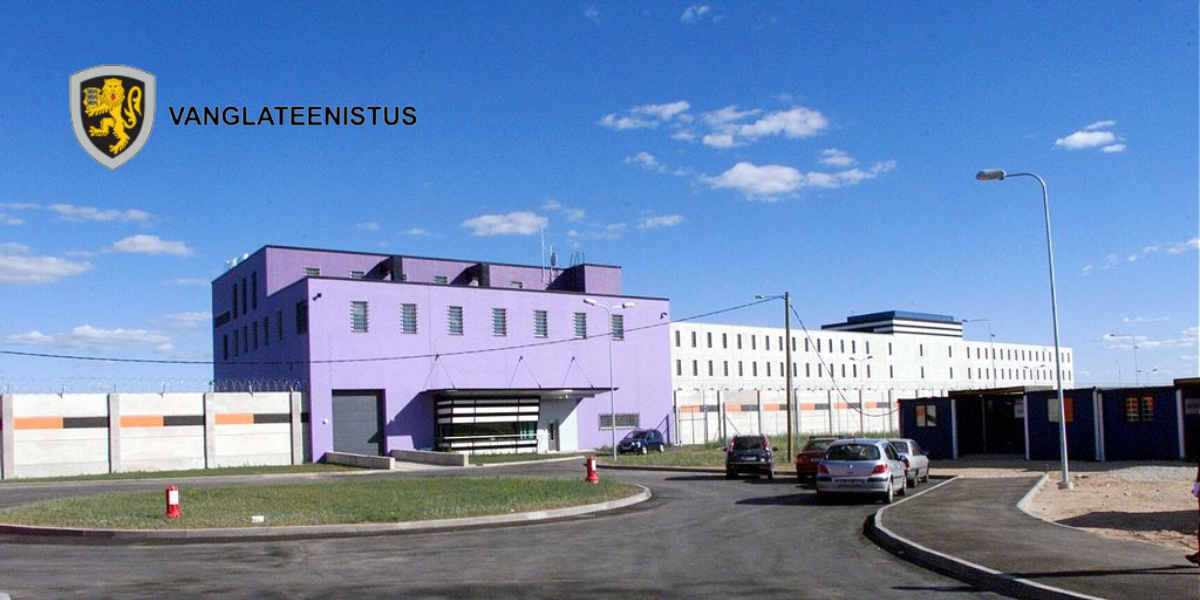
Merle Ulst, Director of Tartu Prison: Different prison systems do not mean worse conditions
Estonia is a country that respects and upholds human rights. The Estonian Prison and Probation Service is an organisation with high internal standards and a strong commitment to safeguarding the fundamental rights of prisoners. We have robust internal oversight mechanisms, and our work is closely monitored by the Chancellor of Justice, the courts, the Council of Europe and other relevant organisations. We have received international recognition for comprehensively reforming and modernising our prison system and successfully overcoming the influence of prison subcultures.
We understand that arriving at a prison in another country, where different rules and daily routines apply, can raise questions and cause dissatisfaction. Receiving Swedish prisoners is a new situation for everyone involved and requires adjustment on all sides. However, this does not justify false accusations or defamatory claims.
It is important to understand that Tartu Prison is an Estonian prison, operating under Estonian law and prison regulations. There are certainly many smaller differences between the Estonian and Swedish prison systems, but different does not mean worse. All prisoners are guaranteed humane and dignified conditions, their rights and safety are protected, and they are supported in their rehabilitation and reintegration into society.
We continuously analyse and make use of feedback on our work. When feedback is justified and changes would contribute to prisoners leading law-abiding lives after release, we are prepared to adjust our practices. At the same time, humane prison conditions do not mean accommodating every request or providing all the comforts people may be accustomed to outside prison.
We consider it essential that prisoners understand the rules that apply to them and the reasons behind decisions. Day-to-day communication takes place primarily in English, and translation tools are used when necessary. In addition to maintaining safety and security, our staff are responsible for communicating professionally with prisoners, answering their questions and preventing potential tensions.
We also understand that some prisoners may not have wanted to serve their sentences in Estonia. We are not in a position to assess their reluctance before they arrive in Estonia. However, we work closely with our Swedish colleagues to ensure that everything runs as smoothly as possible. We listen to criticism, explain our principles and improve what needs to be improved.
Our goal is not to replicate the Swedish prison system, but to ensure that Swedish prisoners serve their sentences in Estonia safely, with dignity and in accordance with the law. In our assessment, we have succeeded in doing so.
Merle Ulst
Director of Tartu Prison
Heidi Kukk
Head of Communications Department
Estonian Prison and Probation Service
Artiklar, krönikor och debattartiklar kan kommenteras på vår Facebooksida.